
Why We Ignore Our Eyes Until Something Goes Wrong
Our eyesight feels permanent until the day it doesn’t.
It is one of the most valuable parts of our health, yet it rarely gets the attention it deserves. Most people don’t think about the retina, optic nerve or circulation to the eye until something feels wrong. By that point the changes have usually been developing quietly for years.
How eyesight gradually changes
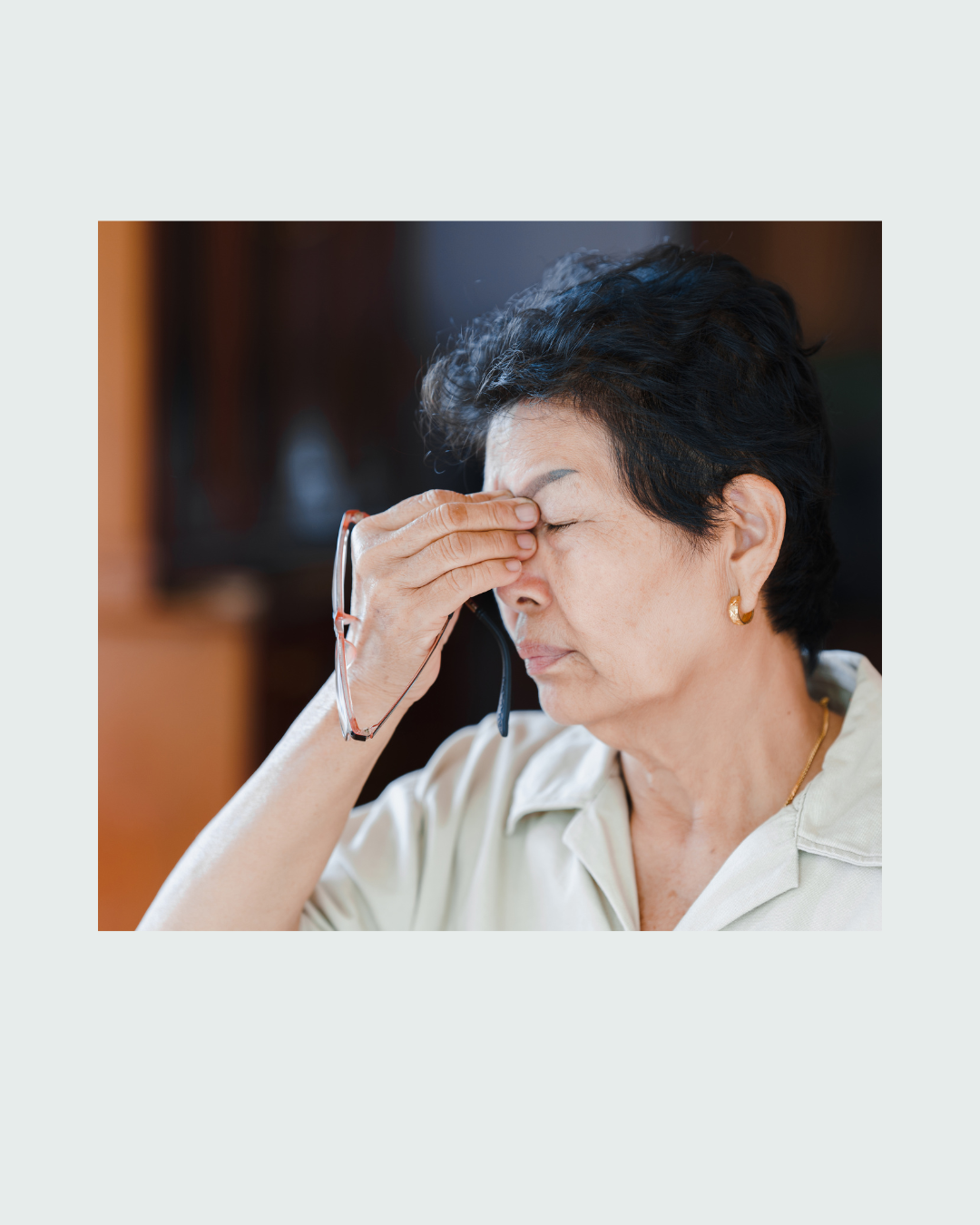
Declining vision is usually a slow process shaped by ageing, stress, inflammation and the daily workload placed on the eyes. The small blood vessels that nourish the retina can stiffen with age. Retinal cells become more sensitive to pressure and oxidative stress. People often notice visual fatigue or difficulty with glare long before they realise their eyes are under strain.
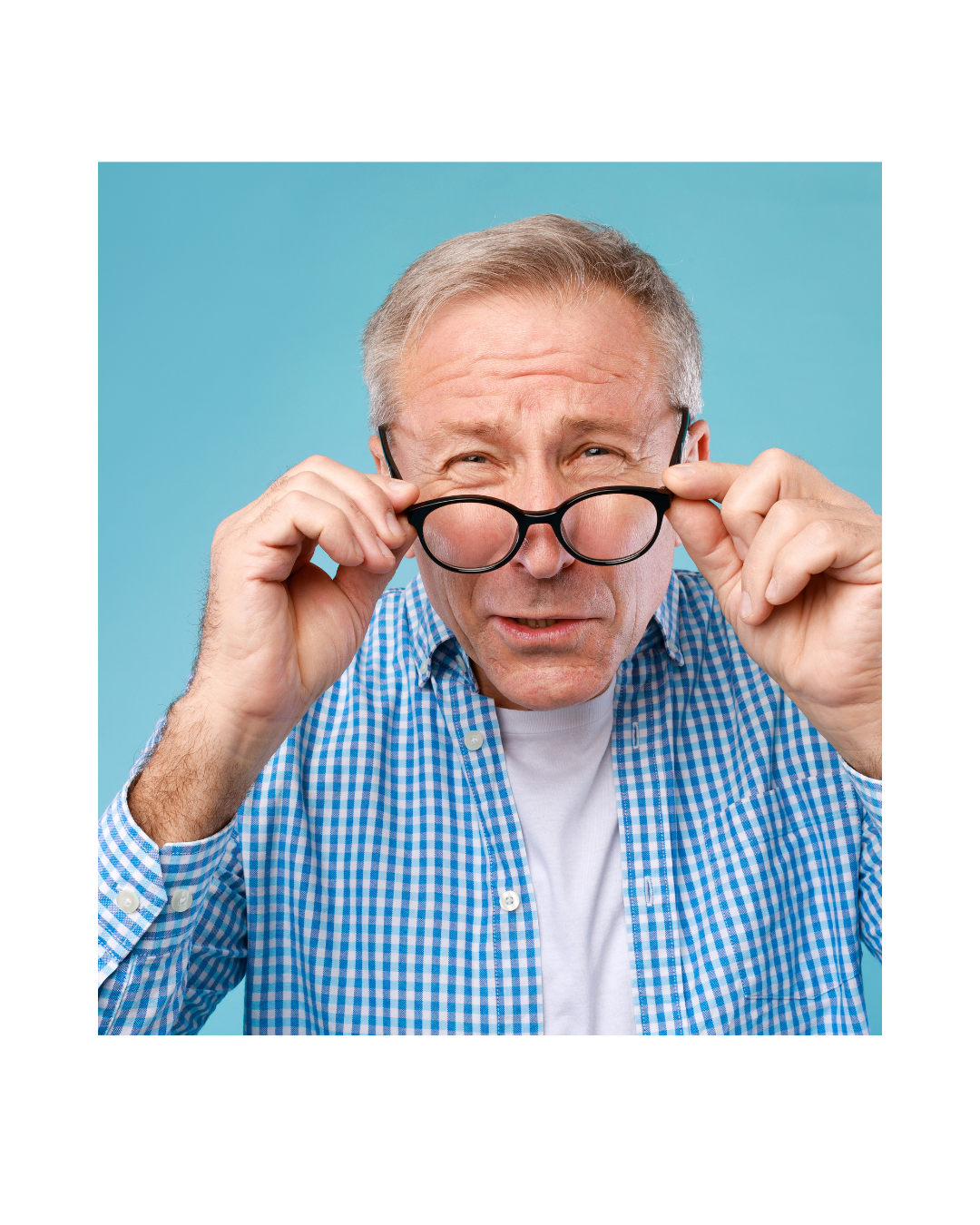
These changes are quiet, so they are easy to dismiss. When someone says their eyes just tire faster than they used to, that is already a useful sign that the system may need support.
Why a calmer physiology helps
Something I see repeatedly in clinic is that people with calmer, more regulated physiology tend to cope better with eye strain and age-related changes. When the nervous system is less reactive, circulation works more efficiently and the tissues around the eyes behave more predictably.
This is one of the areas where acupuncture and modern Chinese herbal medicine can support people. These treatments do not replace ophthalmology or regular monitoring, but they can help people feel steadier and improve how their system responds to visual demands. Many clients describe better comfort, reduced strain and more confidence in their daily tasks.
The problem with waiting
Eyes respond best to consistent, early attention. When support only begins after a major drop in vision, the options are more limited. A short appointment once symptoms become frightening is rarely enough to influence the direction of change.
Early care helps people stay functional, independent and active for longer. It gives the eyes a better physiological environment to work in, which is essential for anyone with macular issues, glaucoma, diabetic eye disease or general age-related changes.

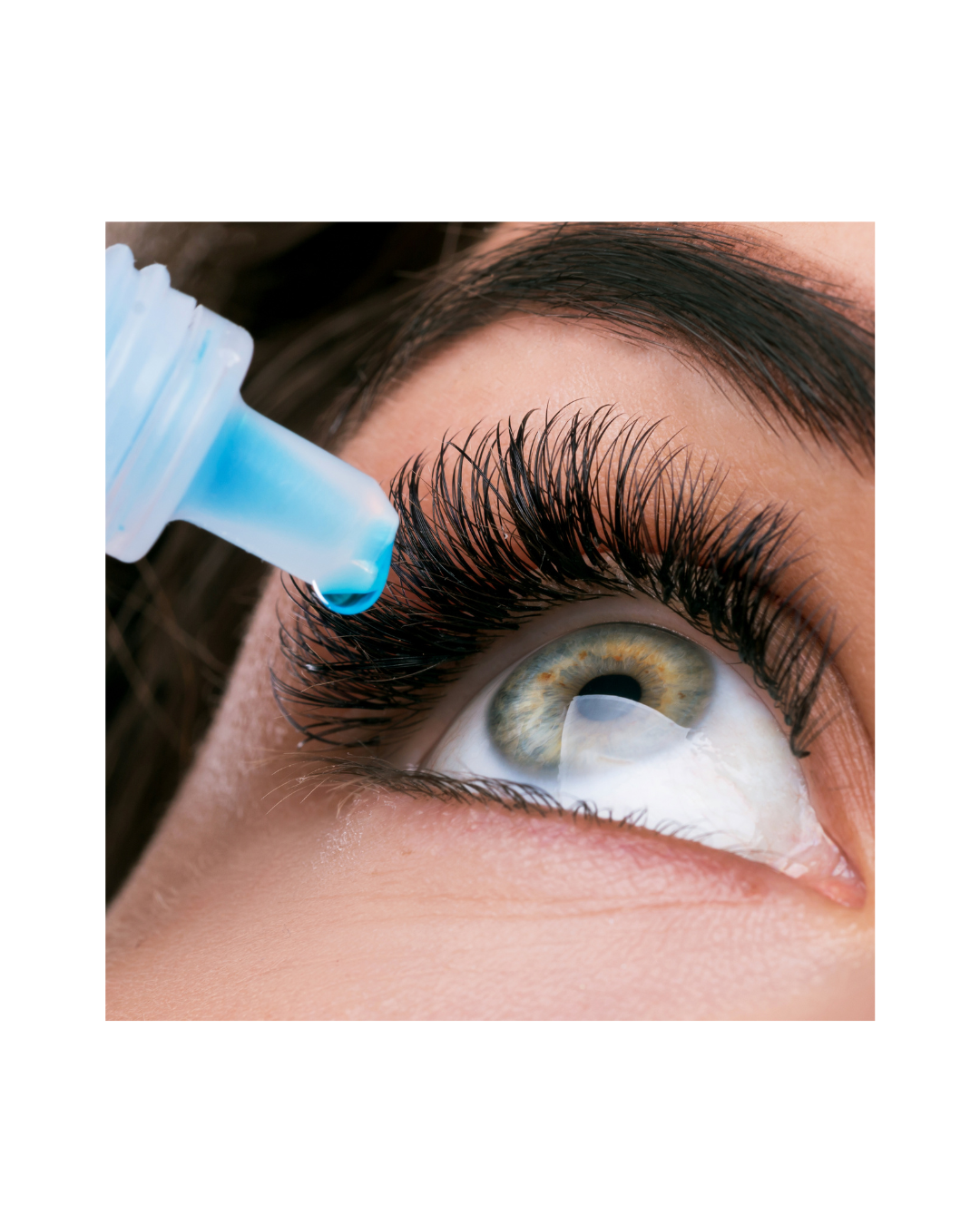
Small signs you shouldn’t ignore
The following symptoms are not always serious, but they are important signals that your eyes may need attention:
• Reading feels slower
• Increased glare, especially at night
• Visual fatigue after screens
• Needing more light than usual
• A sense that the eyes tire quickly
The first step for anyone experiencing these changes is to see an optometrist. They can rule out or identify any significant eye disease that needs direct ophthalmology care. This ensures that nothing important is missed.
Once someone has had that check, acupuncture and Chinese medicine can support them in two situations. They can come in while waiting for their appointment, or they can come in afterwards for ongoing support that can make a meaningful difference to how comfortable their eyes feel and how well they manage daily tasks.
Early, layered care always gives the eyes a better chance to function well over time.
Where to learn more
If you want a clearer picture of how acupuncture and evidence-informed Chinese medicine fit into eye care, you can explore my full set of articles on degenerative eye conditions, circulation and nervous system support here:
https://onthepulse.clinic/articles
Helping you move beyond symptom management to better health.