
Evidence-informed articles for GPs and healthcare colleagues. Covering acupuncture, herbal medicine, nutrition, and laser therapy in the management of pain, ageing, fatigue, stress, eye health, and wellbeing — with an emphasis on safe use in chronic disease management alongside Western treatments.
Some articles are longer reflections. They can be read in sections and revisited when time allows.

People often assume that if someone looks well, they are well. In clinic, those are not always the same thing. Much of recovery becomes invisible long before it is complete.

Many people think they should feel “back to normal” quickly after illness, stress, or treatment. But recovery often takes longer than expected, especially when the nervous system has spent years in a state of pressure, urgency, or high alert.

After diagnosis, many people describe a loss of identity and a sense that their body can no longer be relied on. This article explores how, over time, a different kind of confidence can emerge, not based on certainty, but on experience, priorities, and learning how to work with the body rather than against it.
Chronic illness is often understood in terms of symptoms, but much of the experience lies in the constant work of managing them. This article explores the unseen effort involved, from decision-making and coordination of care to the impact on daily life, relationships, and energy.
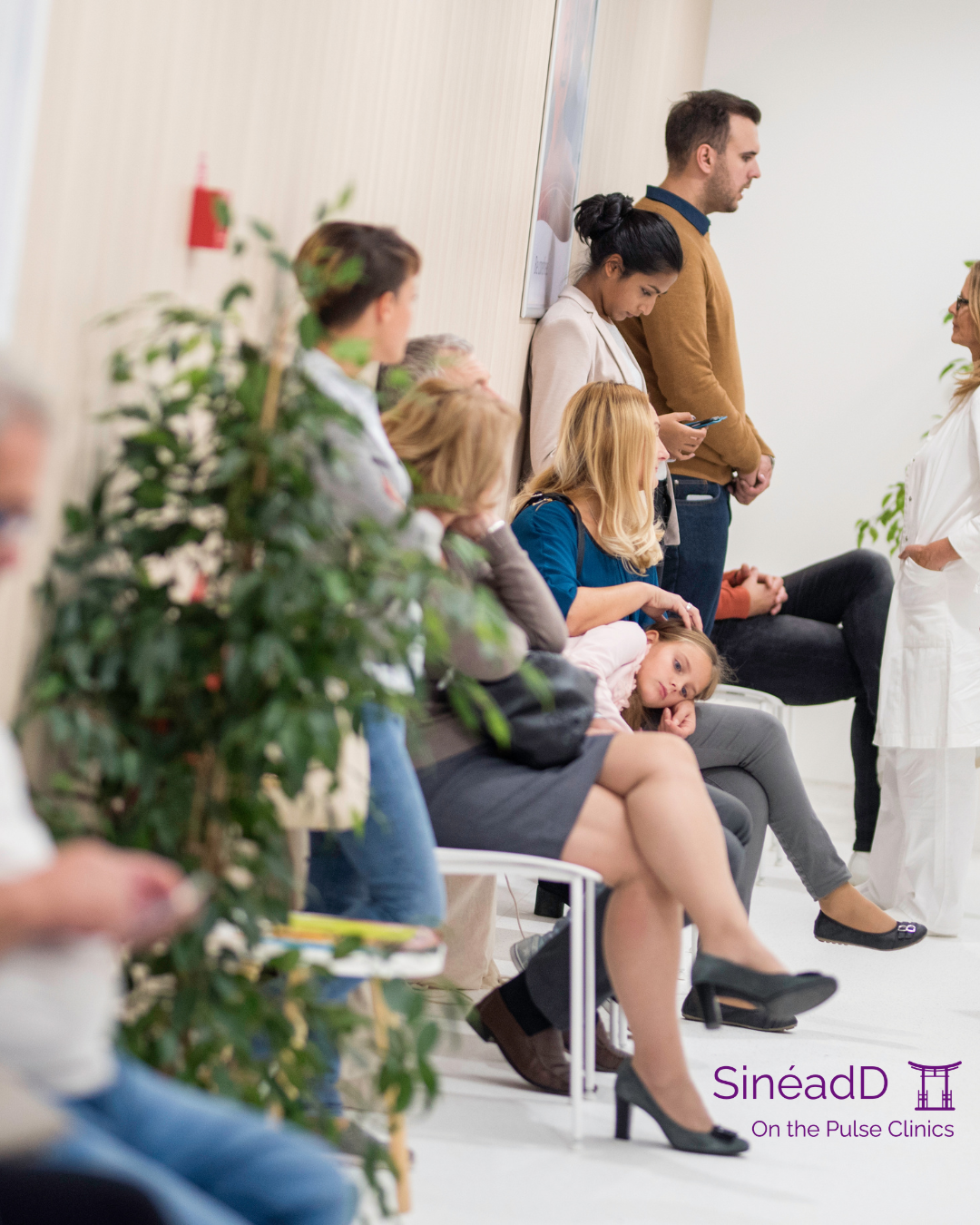
Waiting for a medical appointment is rarely a neutral experience. This article explores what people often think and feel before they are even called in, from disrupted sleep and repeated explanations to the quiet stress of being heard. It also looks at how small, practical ways of getting through appointments can make a meaningful difference over time.

Many people living with chronic illness describe a quiet but persistent experience of not being fully understood. This article explores the gap between how illness looks from the outside and how it is lived, and how being seen and heard can restore dignity, confidence, and the capacity to move forward.

Many people living with chronic illness believe that if they try harder, follow the rules more carefully, or make the perfect lifestyle changes, they should regain control of their health. But living systems do not behave like project plans. This article explores what happens when effort stops producing predictable results, and why learning to work with the body can be more sustainable than trying to control it.
A diagnosis affects more than the body. It can interrupt identity, confidence and trust in the future. This article explores how illness reshapes sense of self and why physiological steadiness often needs to come before clarity returns

When medical treatment is protective but difficult to live with, quality of life can quietly erode. This article explores how supporting sleep, pain, digestion, and nervous system regulation can make staying on treatment sustainable without sacrificing daily life.
eing given a diagnosis or treatment plan does not always bring clarity. This article explores why information can leave people feeling unanchored, and why understanding is what truly helps people live between appointments.
Chronic illness often means living without clear answers. This reflection explores what caring for another being taught me about uncertainty in healthcare, the difference between information and understanding, and why helping people orient themselves matters as much as diagnosis.

When my fifteen-year-old Labrador developed acute idiopathic vestibular disease over New Year’s, the illness itself was frightening, but the lack of clear, anchoring information was harder. This article is a lived account of recovery, ageing, the human and animal experience of hospital care, and what our dogs quietly teach us about health, responsibility, and compassion.

Modern medicine excels at acute care, but much of today’s clinical work involves chronic, complex conditions that do not fit neatly into guidelines. This article explores how integrative care strengthens modern medicine by addressing multiple physiological systems at once, supporting better outcomes and quality of life for patien
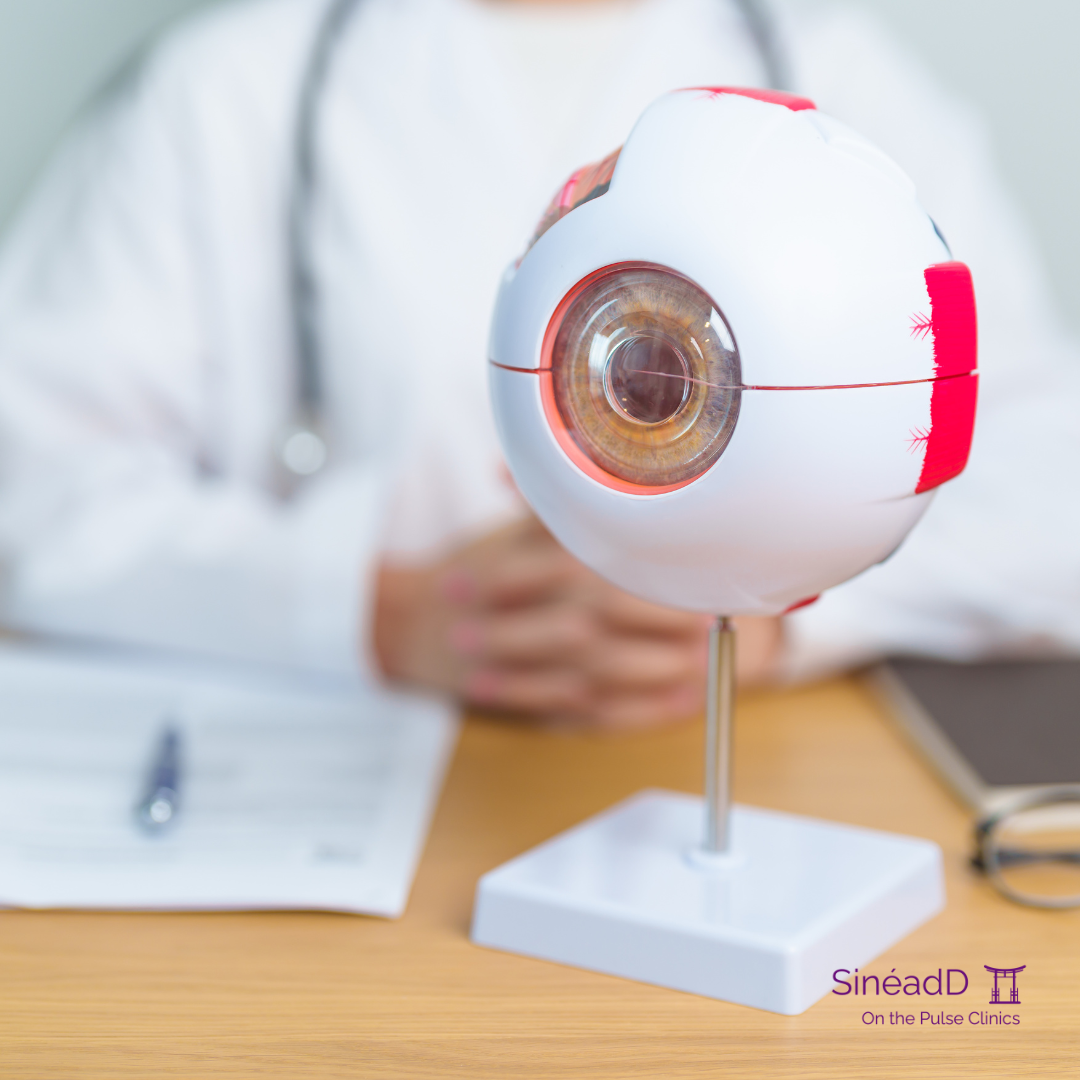
Specialist acupuncture used alongside ophthalmology to support people living with degenerative eye conditions. Suitable for macular degeneration, glaucoma, diabetic retinopathy, retinitis pigmentosa and post surgical visual loss. A safe, structured approach that aims to protect and support remaining vision.

Combining Chinese herbal medicine with conventional care may improve conversion rates and reduce premature beats in arrhythmias. Clinically, we also see meaningful improvements in sleep, energy, anxiety, and patient engagement. This article explores the research, mechanisms, and benefits of integrating herbs like Shensong Yangxin and Xin Su Ning into cardiovascular care.

Living with a chronic or life-limiting illness can feel relentless. Between symptoms, appointments, and side effects, there are no real days off. This article explores the hidden emotional load of long-term illness and how acupuncture and Chinese herbal medicine can help create calm, reduce fatigue, and ease the strain of daily management.

Even lifelong athletes can develop osteoarthritis when long-term stress overrides the body’s repair systems. Regular acupuncture reduces inflammation, eases pain and restores calm physiology — the foundation for staying active and protecting your joints for the future.

The 2025 Nobel Prize in Medicine recognised discoveries that explain how our immune system prevents “friendly fire.” These findings highlight the role of regulatory T cells in maintaining immune tolerance — a concept that mirrors how Traditional Chinese Medicine views health as a state of internal regulation rather than constant defence.
In practice, acupuncture and Chinese herbal medicine may support this regulation by improving circulation, digestion, and stress physiology, helping the body restore its own control over inflammation.
For clinicians and integrative practitioners, this shared language between immunology and TCM opens valuable opportunities for collaboration. When acupuncture and herbal medicine are used alongside medical treatment, clients with autoimmune conditions often experience better recovery, improved quality of life, and greater resilience.
Acupuncture has measurable effects on sleep, stress, and autonomic regulation. Studies show it can improve insomnia, reduce anxiety, and support pain management. Two sessions in the same week may reinforce these benefits, especially in patients with chronic stress or long-standing sleep issues.

Many people associate acupuncture with needles, but in reality treatment is gentle, safe, and evidence-informed. Acupuncture stimulates the nervous system to release natural pain- and stress-relieving chemicals while improving blood flow. In clinical practice, it is rare not to see some benefit, even after the first session

Health crises often drive patients to change, but sustaining those changes is the greater challenge. Research shows many return to old habits within two years. Ongoing support and integrative care can make healthier patterns last.
Back pain is one of the biggest reasons people lose independence as they age. Here’s how acupuncture is proving to be a safe, effective option for over-50s.
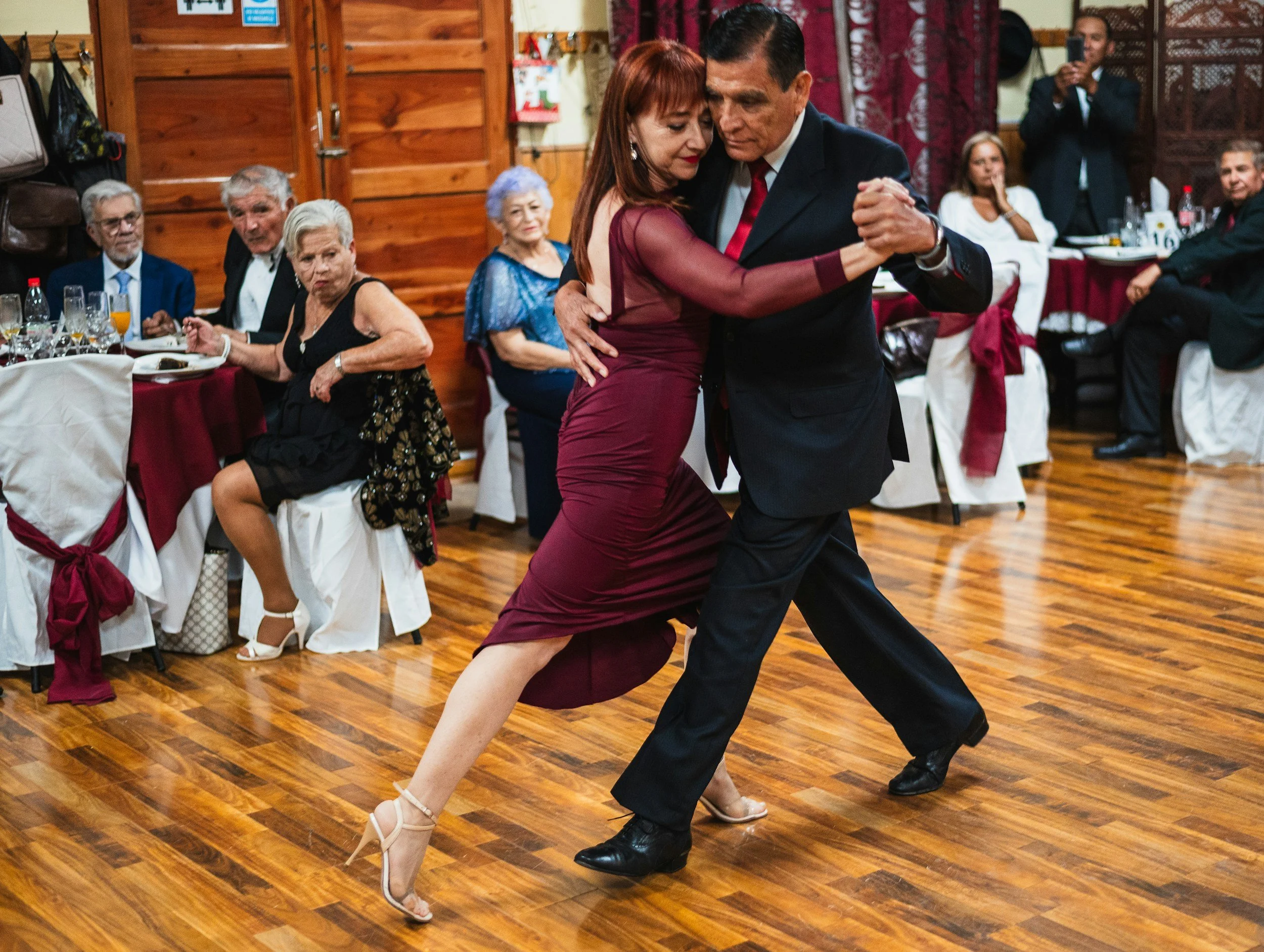
Dancing through life without pain: acupuncture, Chinese herbal medicine, and laser therapy can help you stay active
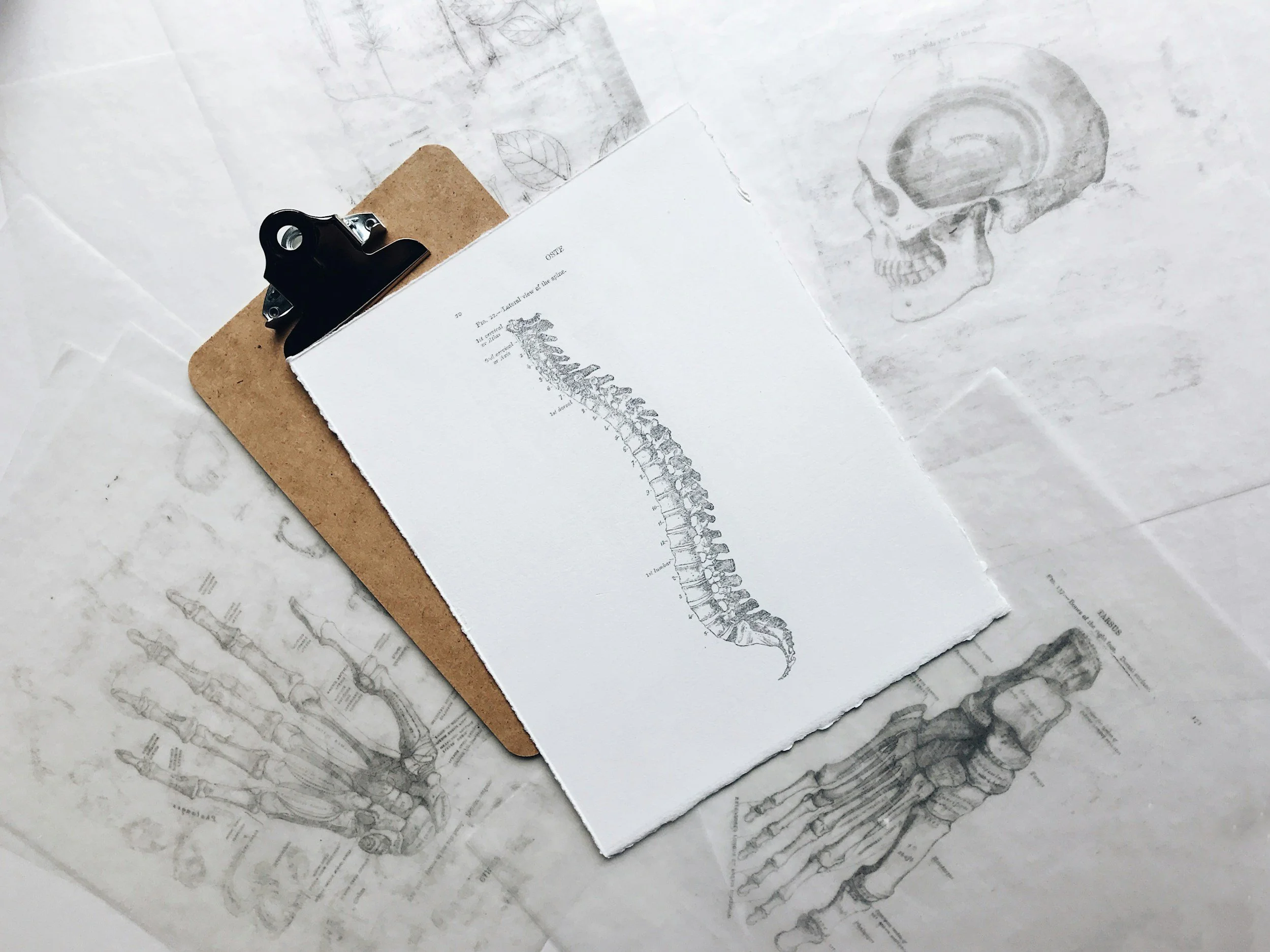
Pain is real—but it isn’t a simple read‑out from injured tissue. What you feel is your nervous system’s running commentary on threat, shaped by sleep, stress, beliefs, hormones, movement load, diet, age, and health history. That’s why the same scan or diagnosis can hit different people in totally different ways
Trying to conceive? Learn how acupuncture can improve fertility, regulate hormones, and support natural conception—backed by evidence and clinical experience.
Inflammaging—a term now well established in the biomedical literature—describes low-grade, persistent inflammation that accumulates with age. It underpins many of the chronic, non-specific symptoms we see in older patients: fatigue, musculoskeletal pain, poor sleep, digestive slowing, and decreased resilience.
These symptoms often present before frank pathology is measurable, making early intervention both difficult and crucial. This is where Traditional Chinese Medicine (TCM)—particularly acupuncture and Chinese herbal medicine—offers a valuable, evidence-aligned framework.
Low-grade chronic inflammation in ageing patients quietly sensitises pain receptors and disrupts mitochondrial energy production. This results in a clinical constellation often seen in older adults:
Persistent, nonspecific muscle or joint pain
Reduced physical resilience and easy fatigability
Non-restorative sleep and heightened sensory sensitivity
“Idiopathic” fatigue that doesn’t respond to conventional therapies
Emerging biomedical evidence highlights a bidirectional relationship: inflammation impairs mitochondrial function → lower ATP output → more reactive oxygen species (ROS) → further inflammation → more mitochondrial damage. This vicious cycle underpins syndromes like fibromyalgia, chronic fatigue, and frailty.
Inflammaging—the chronic, low-grade inflammation that accompanies ageing—is now widely recognised as a key contributor to vascular stiffening, endothelial dysfunction, and microvascular deterioration….TCM does not treat these changes symptomatically. Instead, it works systemically—restoring the functional relationships between organs, enhancing microcirculation, and addressing the root causes of degenerative vascular change.
People often expect medicine to provide certainty. A diagnosis. A treatment. A clear outcome. But many people eventually reach a point where health becomes less about fixing and more about learning to live alongside uncertainty.