
The Patients Side - Article 1
An ankle replacement, chronic illness and the importance of remaining independent.
4 min read
I didn't wake up one morning and decide I needed an ankle replacement. It was a gradual acceptance that something had to change.
For years, I had managed increasingly severe ankle pain with acupuncture and cold pulsed laser therapy. Both had worked extremely well for me, but there comes a point when managing pain is no longer enough.
I was becoming less mobile, and my world was getting smaller.
I stopped going places unless I really needed to. Even shopping became something I was reluctant to do, which affected my diet. I was shortening my stride, changing how I walked and eventually limping.
Pain is tiring. Moving less doesn't help your physical stamina either. It's a vicious circle, and one that can develop so gradually you barely notice how much you've adapted your life around it.
What I was losing wasn't simply mobility. It was the independence of choice.
And independence matters enormously to me.
Why I waited another year
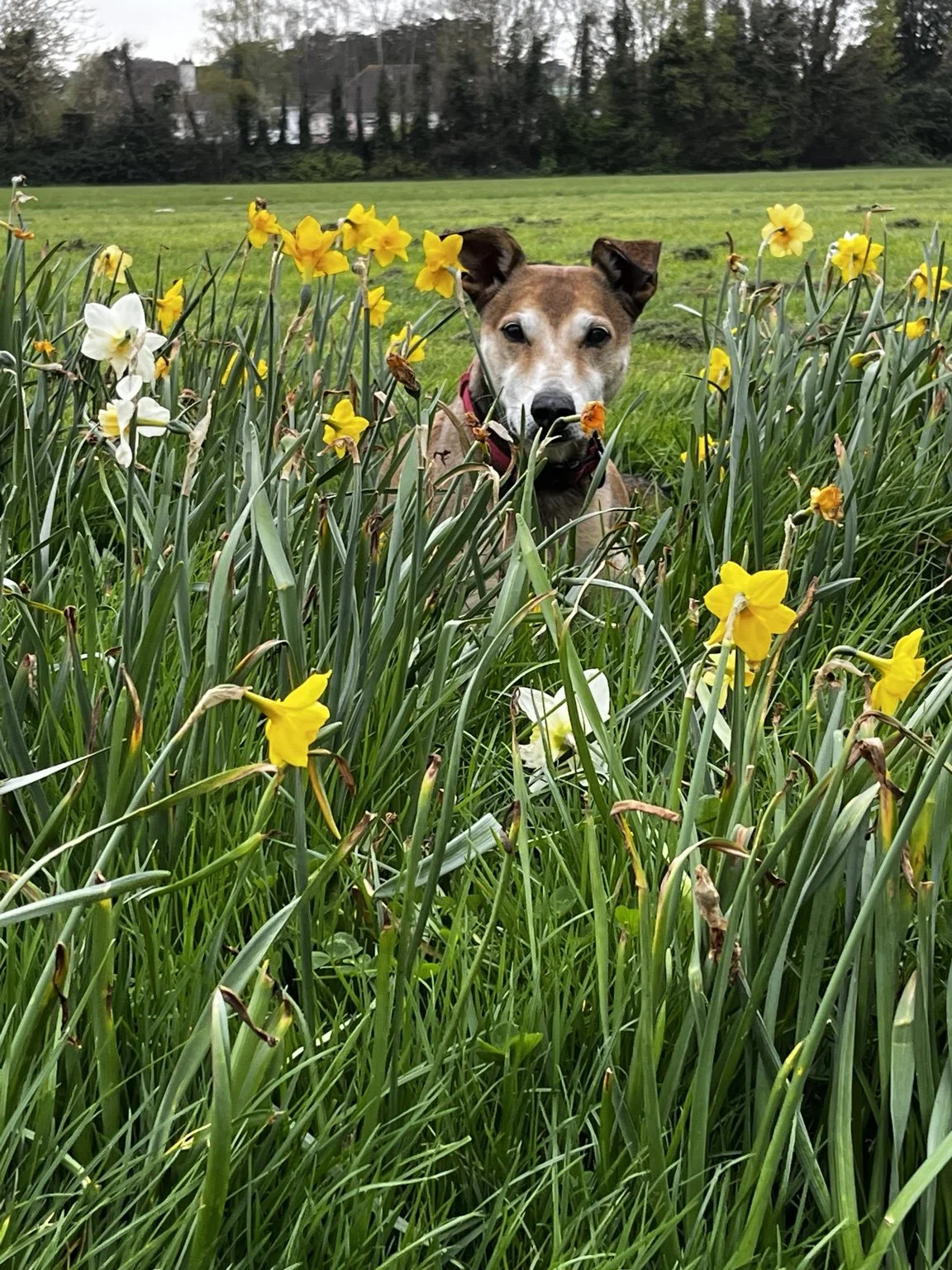
I have two elderly dogs, a Labrador and a rescue lurcher. My lurcher has lived with me for 13 years, and I'm his person. He trusts me completely.
I knew that following ankle surgery I wouldn't be able to walk him for weeks. He had gone out with somebody else on two occasions and simply wanted to turn around and come home.
He's getting older, and keeping him moving is important for his mobility and quality of life. I worried about what those weeks without our walks might mean for him.
So I postponed surgery for a full year.
I suspect my surgeon doesn't encounter too many patients who organise their orthopaedic surgery around the emotional requirements of a rescue lurcher.
If I'd had younger dogs needing substantial exercise, I honestly don't know what I would have done.
The bigger picture
I'm fiercely independent, self-employed and fortunate enough to love my work. I enjoy the clinical challenge, but equally important are the people I meet and the relationships I develop.
Taking three months away from work meant losing my income. There was also the longer-term question of maintaining and developing my client base.
But I eventually had to acknowledge something.
Continuing as I was could threaten my independence far more than temporarily giving it up for surgery.
I tried physiotherapy to strengthen my leg muscles, but another health condition made the sessions exhausting.
Living with chronic illness means decisions are rarely straightforward. There are medications you cannot take, additional risks to consider and sometimes several specialists who need to agree on the safest approach.
You don't always fit the standard medical protocol. And let's face it, a medical protocol and an individual human being are not necessarily the same thing.
I had thought ankle fusion was my only surgical option, and I really didn't want that restriction on my mobility. Discovering that ankle replacement was possible changed the conversation.
Once I had a recommendation for a surgeon and the necessary medical approval, I was ready.
I'm not somebody who spends much time worrying about a decision once I've made it. I prefer to get on with things.
I also knew recovery would mean a prolonged period of restricted mobility, so I enrolled in an intensive professional course beforehand. I wanted something worthwhile to work on during my time off, something that would improve my skills and future earning potential.
As it turned out, I was far too tired during the early weeks to tackle that project. But that's another story.
Was it worth it?
I'm still recovering, so I'm not going to pretend this is a story with a neat ending.
Seven weeks after beginning weight bearing, I'm walking around the house in a regular boot without crutches. I still use my protective boot for longer distances. There is residual pain and swelling, and my balance and normal walking pattern are still developing.
But the severe pain I had before surgery has improved considerably.
Perhaps the best moment so far was taking my lurcher out for our first short walk together. He was beside himself with excitement, but stayed unusually close, clearly aware that I wasn't moving quite normally.
After worrying about him for so long, being able to walk together again was a pure gift.
I have other health issues to deal with, and there will always be something that needs attention. That's the reality of living with chronic illness.
For now, I've ticked an important box.
I didn't choose surgery because I expected it to solve everything. I chose it because I wanted to protect my ability to live the life I enjoy.
Sometimes maintaining your independence means accepting that you're going to have to give up some of it for a while.