
The Hidden Work of Chronic Illness
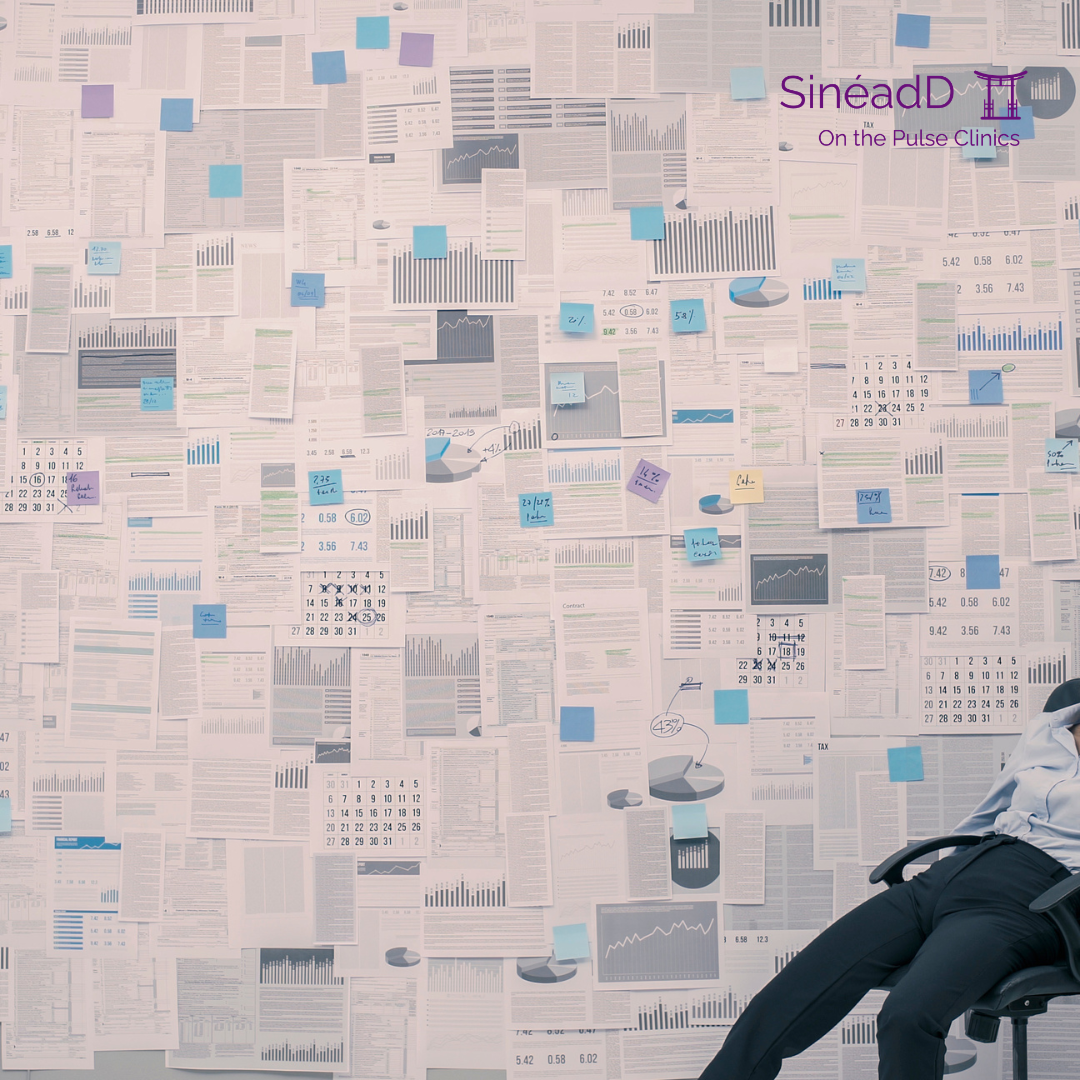
“I’m exhausted from trying to manage all of this”
One of the most consistent things people describe is not always the symptoms themselves.
It is the effort of managing them.
“I’m exhausted from trying to manage all of this.”
That sentence comes up in different ways, but the meaning is the same.
It doesn’t stop when the appointment ends
From the outside, it can look like care happens in appointments.
But for most people, that is only a small part of it.
The rest happens in between.
Remembering what was said.
Trying to apply it.
Noticing what changes.
Deciding what to do next.
There is rarely a clear line between one step and another.
Holding everything together
Many people are managing more than one condition.
More than one clinician.
More than one set of advice.
Those pieces do not always connect.
So the person themselves becomes the point of coordination.
Keeping track of:
What was said.
What was tried.
What worked.
What didn’t.
Trying to make sense of it.
Trying to decide what matters most.
The weight of decisions
There are often more options than answers.
Try this.
Adjust that.
Wait and see.
Change course.
Each decision carries effort.
What do I prioritise?
What can I realistically manage?
What am I willing to try?
Over time, this becomes tiring.
Not because people don’t care.
But because they care enough to keep trying.
The time you don’t see
There is time built into all of this.
Appointments.
Phone calls.
Forms.
Follow-ups.
Travel.
Waiting.
And then the time at home.
Planning.
Adjusting routines.
Working things around symptoms.
It adds up.
Often quietly.
Trying to understand
When answers are not clear, people look for them.
Reading.
Listening.
Researching.
Trying to understand what is happening in their own body.
Sometimes this is supported.
Sometimes it is dismissed.
“Stay off Google.”
But for many people, this is not about anxiety.
It is about trying to make sense of something that affects their life every day.
The parts that affect the rest of life
The work of chronic illness does not stay within healthcare.
It extends into everyday life.
Social plans are often affected.
Saying no becomes more frequent.
Sometimes because of energy.
Sometimes because plans revolve around alcohol.
Sometimes because food is involved in a way that doesn’t fit.
Explaining this repeatedly can become tiring.
At some point, many people stop explaining.
And over time, some relationships change.
Not always dramatically.
But gradually.
Some people understand.
Some don’t.
Often because they are drawing from their own experience of health and illness.
That can include family.
How it is interpreted
There is often a gap between what is happening and how it is perceived.
Others may think:
You should be doing more.
Or less.
That there is a clear answer.
That if the right advice is followed, things will settle.
Sometimes people offer advice that hasn’t been asked for.
Sometimes decisions are questioned.
This can create friction.
Not because anyone intends harm.
But because the experience is difficult to translate.
The constant presence
People often talk about taking a break.
A holiday.
Time off.
Switching off from work.
Chronic illness doesn’t work like that.
It is continuous.
There is no clear separation between “on” and “off.”
It runs alongside everything else.
Work.
Relationships.
Daily life.
There is a kind of dual role.
Living your life, while also managing your health within it.
Living alongside it
Even when life continues, the work does not disappear.
It runs in the background.
While working.
While socialising.
While trying to rest.
There is often a constant awareness.
A monitoring.
A need to adjust.
It is not always visible.
But it is there.
When it becomes too much
There are times when people reach a point where they can’t take in any more.
Not because they don’t want to improve.
But because the effort of managing everything has reached its limit.
This is often misunderstood.
It can look like disengagement.
In reality, it is often exhaustion.
What helps
What makes a difference is not always adding more.
Sometimes it is reducing the load.
Simplifying where possible.
Having a clearer sense of what matters.
Working with the body rather than constantly trying to override it.
When things feel more manageable, people re-engage.
Not all at once.
But gradually.
What is often missed
Chronic illness is not just about symptoms.
It is about the work required to live with them.
That work is often invisible.
But it shapes how people feel.
How they think.
What they are able to do.
Recognising that changes how care is understood.
And often, how it is experienced.